
Nature already had a plan for this land.
We're finally listening to it.
“I didn't want another manicured park.”
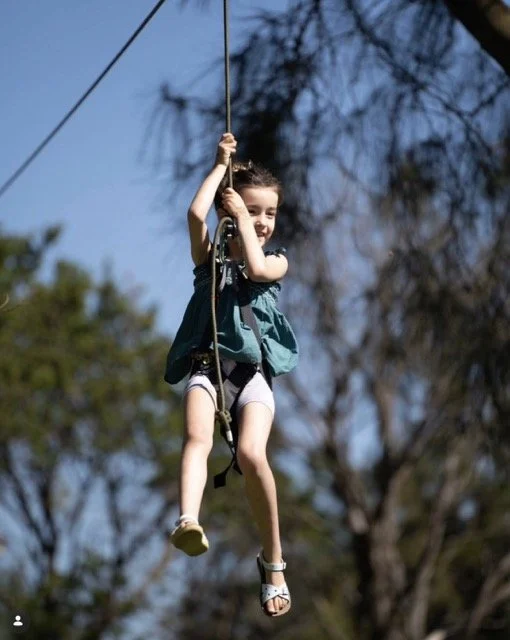
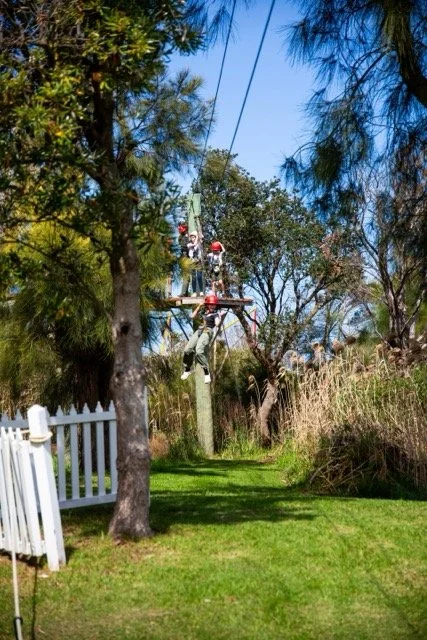
Michael, who owns Boneo, puts it plainly: “I didn't want another British-style, manicured, artificial park. I wanted people to experience the beauty and wildness of the nature we have all around us. I wanted to create a fun, authentic experience.”
Michael Wittingslow
That's the whole reason any of this exists.
We didn't get this right the first time.
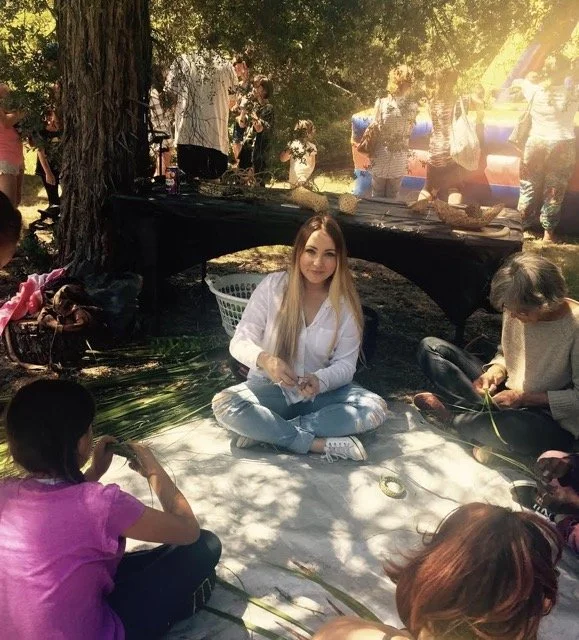
Michael has spent years trying to bring parts of this property back to something wilder. Some of it worked. Plenty of it didn't. Rather than keep guessing, we're now talking to the people who actually know this land and this kind of work:
Local Landcare
The volunteers and facilitators who have been restoring habitat across the Mornington Peninsula for decades, and know what grows here and what doesn't.
State and National Conservation Bodies
Organisations that protect significant natural areas for the long term, and help landholders do the same.
Regional Biolink Projects
Programs connecting landholders across the southwest of the Peninsula, so patches of habitat link up into corridors wildlife can move through.
International Rewilding Networks
Global groups sharing what has worked elsewhere, so we can learn from other people's mistakes as well as our own.
It’s a long game and together we are working towards great things.
Rewilding isn't new. It's just finally having its moment.
The idea has a name and a birth year. In 1998, conservation biologists Michael Soulé and Reed Noss coined the term “rewilding” around what they called the three Cs: protect large core wild areas, connect them with corridors, and bring back the carnivores that keep the whole system in balance. Three years earlier, in 1995, the theory had already had its proof of concept. Wolves were reintroduced to Yellowstone National Park after being wiped out there for seventy years. Elk stopped overgrazing the riverbanks, willow and aspen came back, beavers returned, and the rivers themselves changed course. One species, brought back, reshaped an entire landscape.
Europe took the idea and ran with it at a scale nobody expected. Rewilding Europe, founded in 2011, now coordinates large rewilding landscapes across the continent. The best-known example is Knepp Estate in southern England, an unprofitable, chemically farmed property that stopped intensive farming in the early 2000s and let the land go. Two decades on, it's become a stronghold for critically endangered nightingales and turtle doves, home to the largest population of purple emperor butterflies in the country, and now runs safari tours and stays that help fund the whole project. From one valley in Wyoming to farms across England, Portugal and Spain, the same idea keeps proving itself: land recovers fast once you get out of its way.
We're sitting on the real thing.
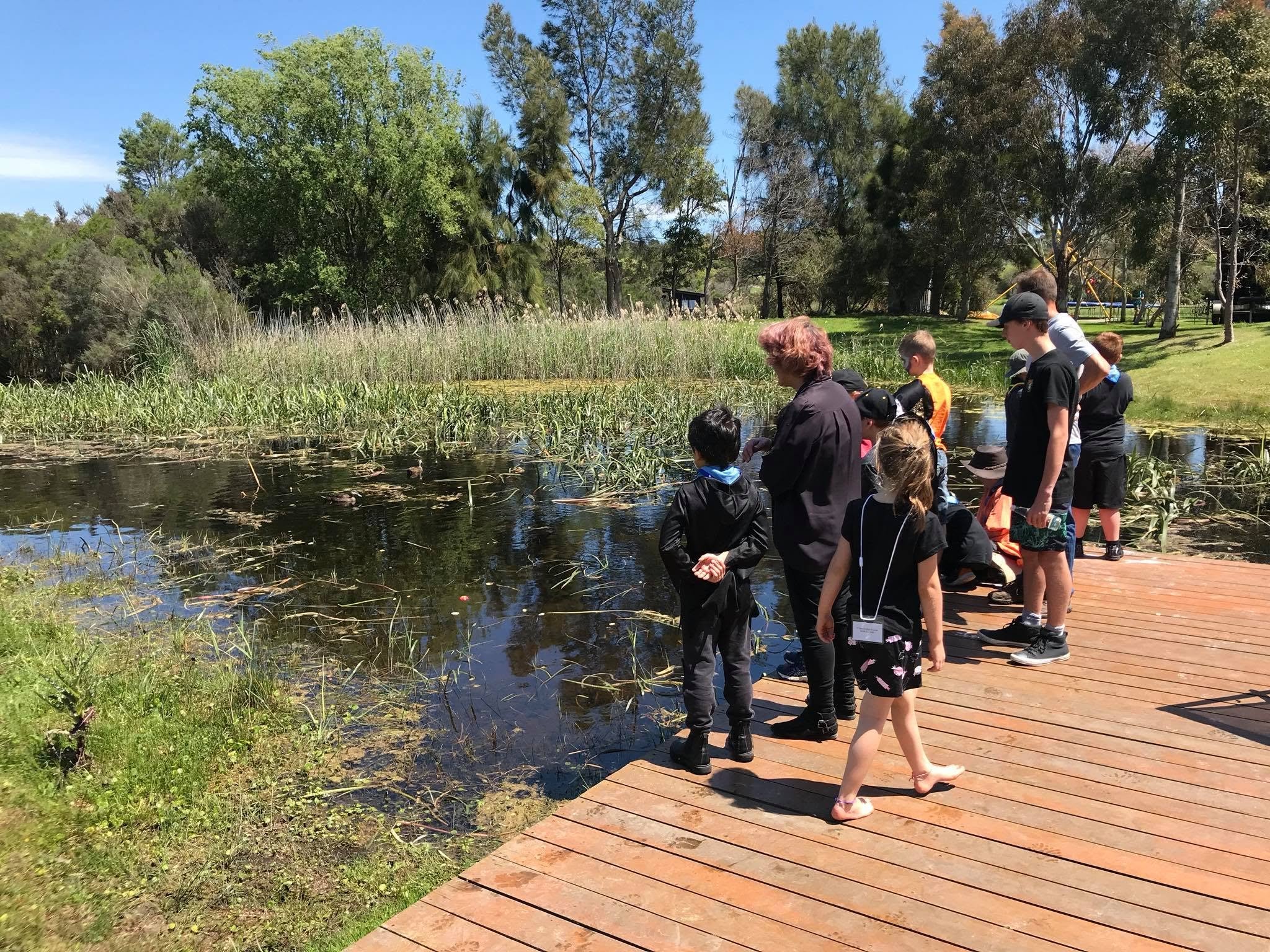
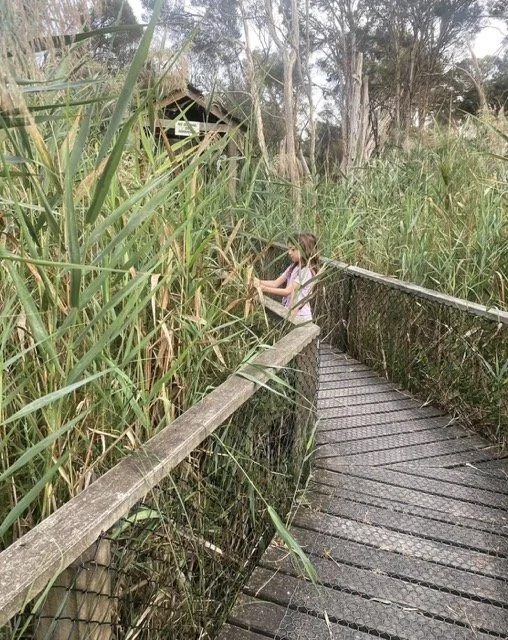
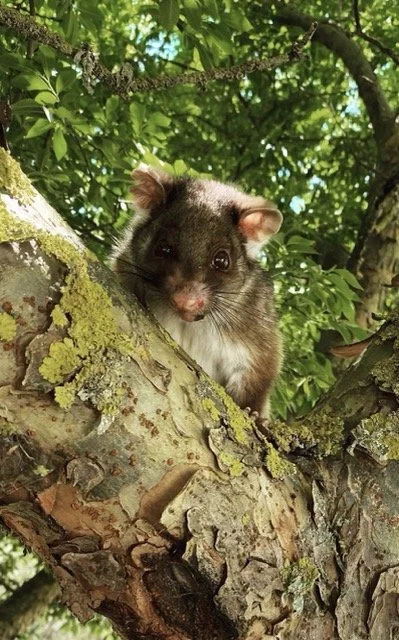
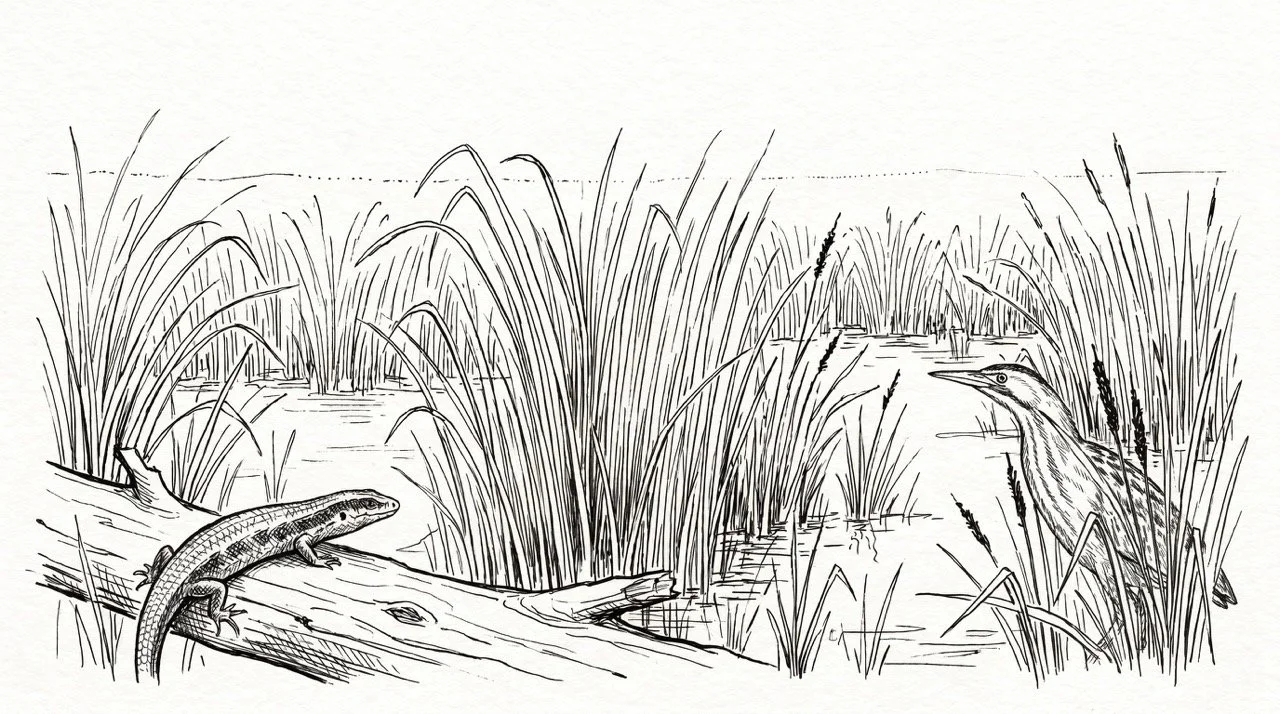
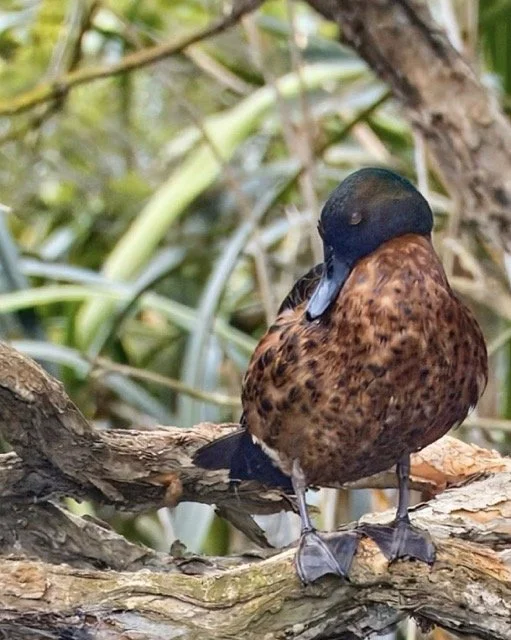
Boneo sits right alongside Tootgarook Swamp, the largest freshwater wetland left in the Port Phillip and Western Port region, close to 320 hectares of it still intact today. More than 240 native plant species grow there, and over 100 bird species rely on it, some of them migratory birds significant enough to be protected under international agreements.
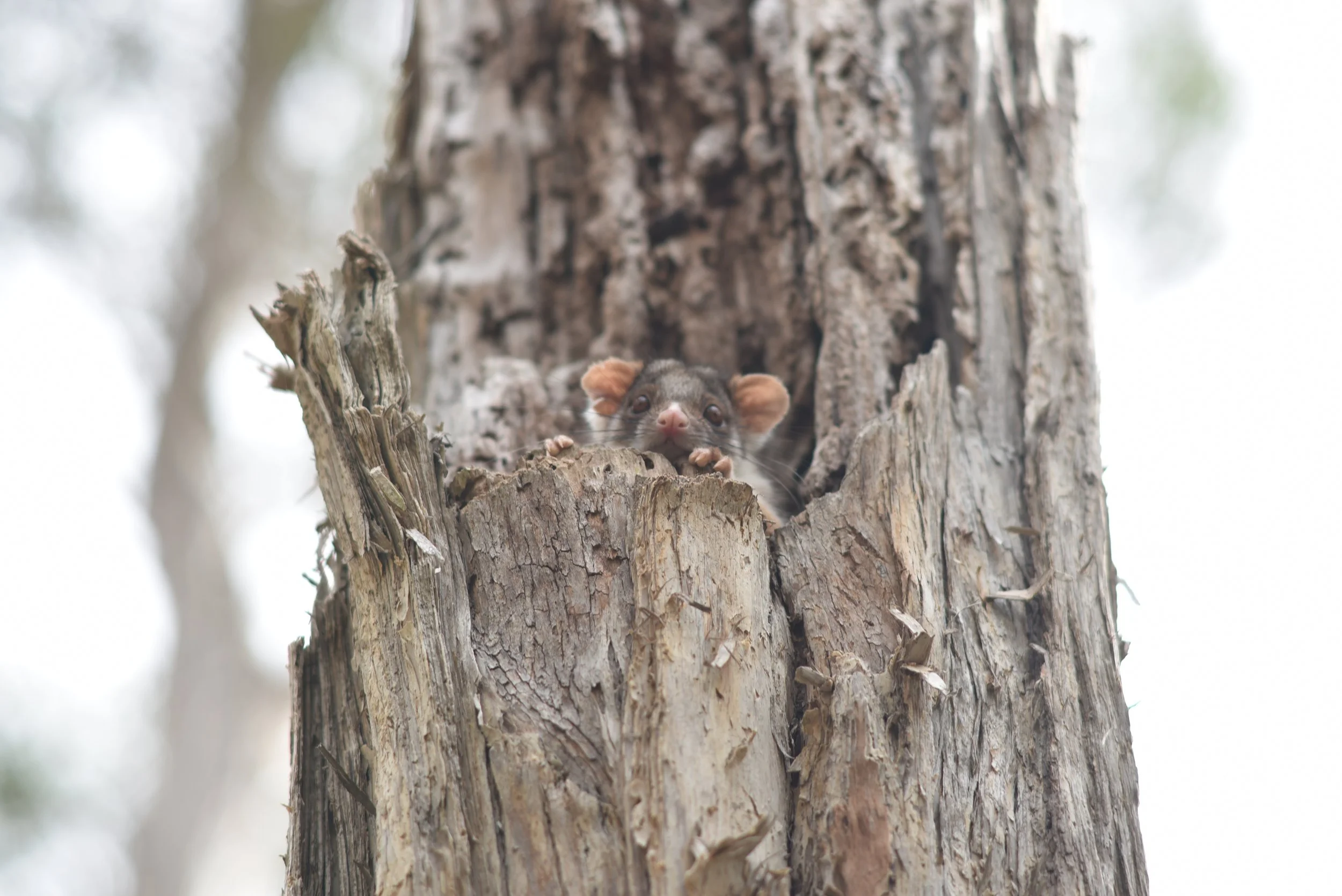
Threatened species like the Australasian Bittern and the Swamp Skink still live in it, animals most people on the Peninsula have never heard of, let alone seen. It's easy to drive past this every day and have no idea what's sitting a few hundred metres off the road.
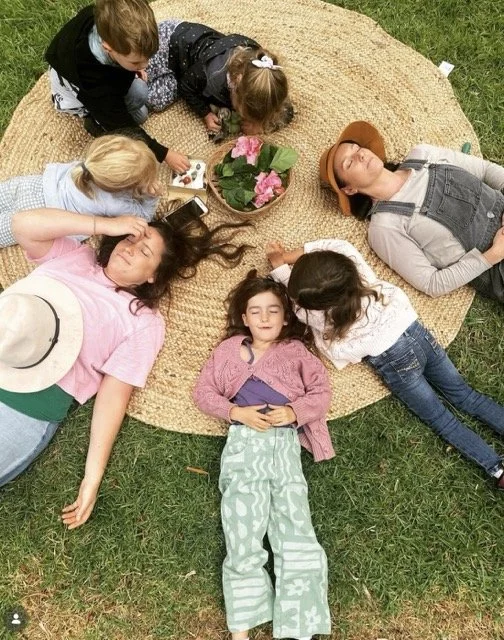
It's not just kids who need this. Adults do too.
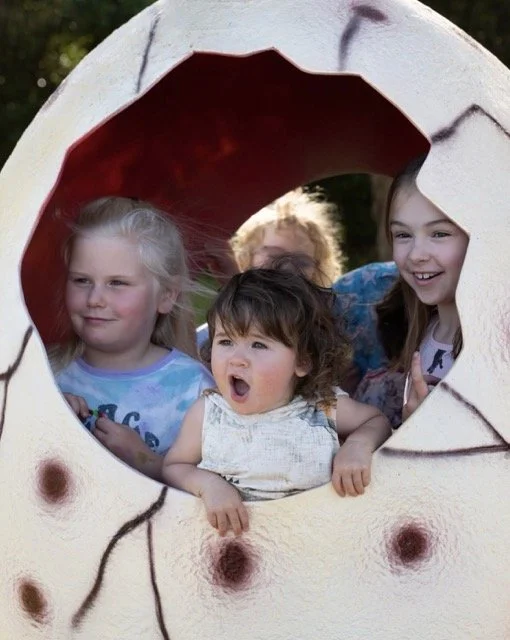
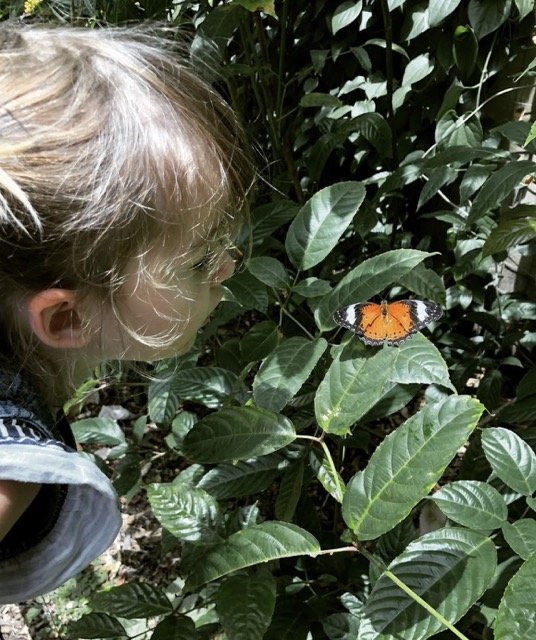
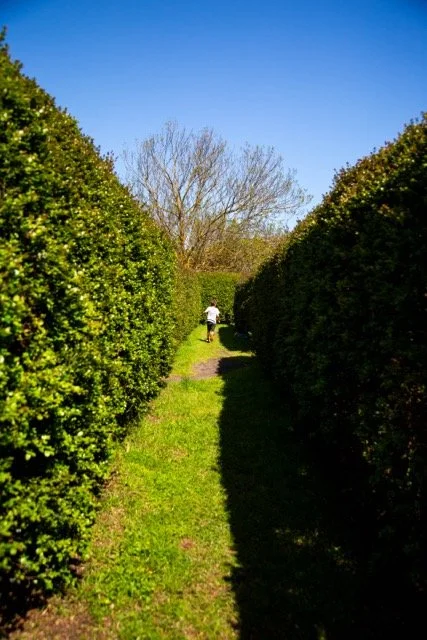
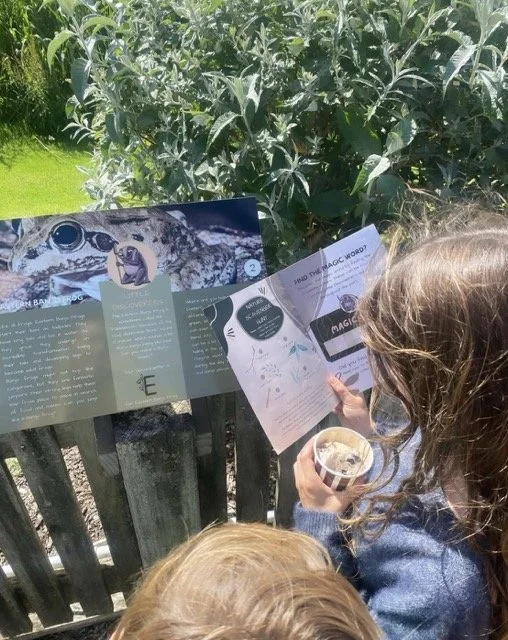
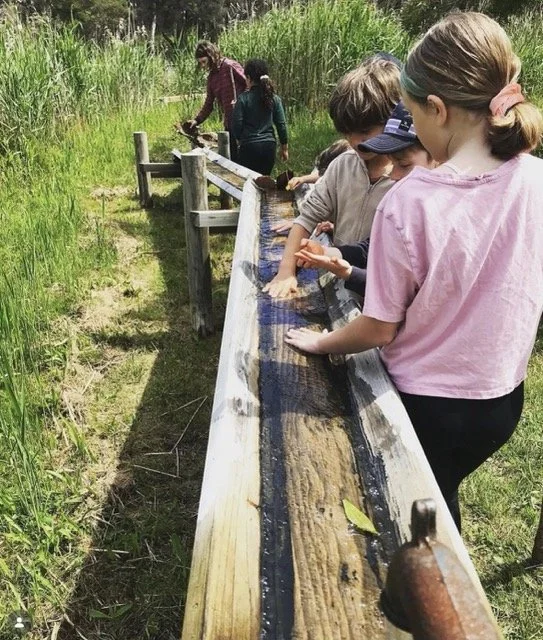
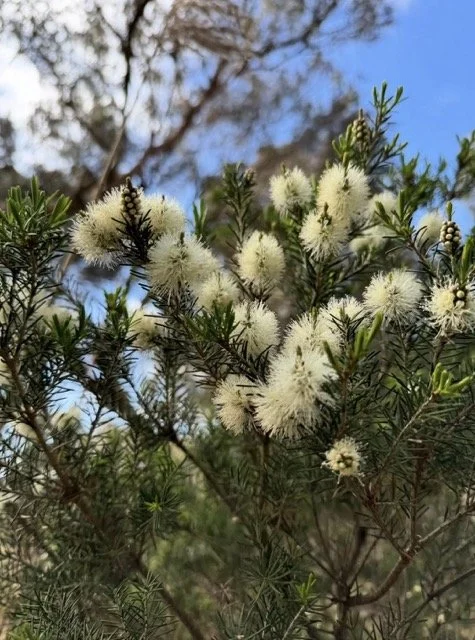
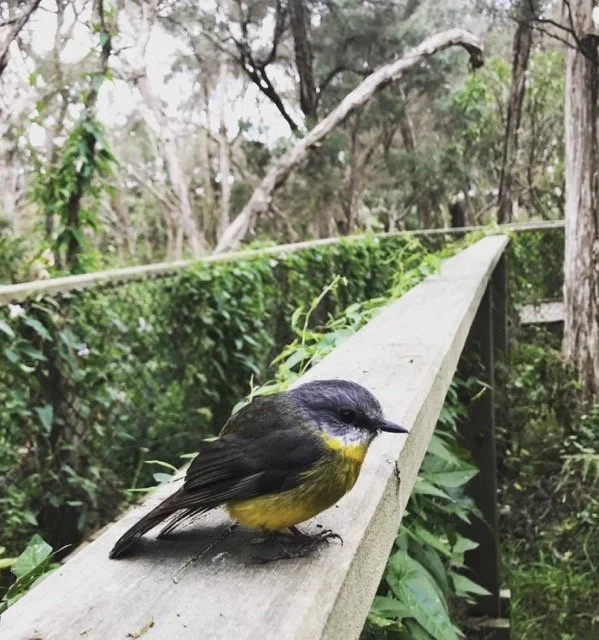
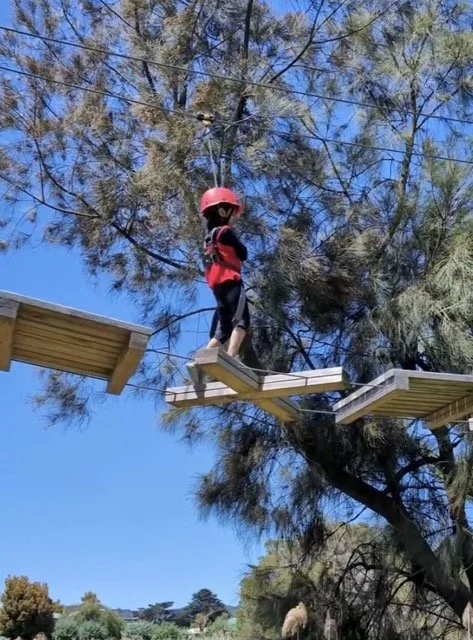
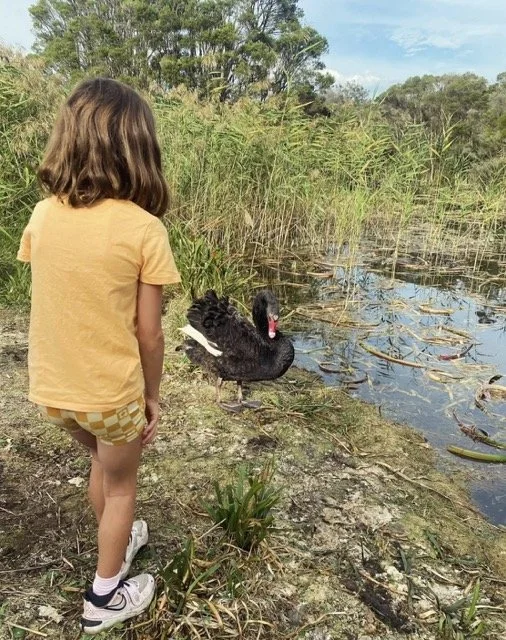
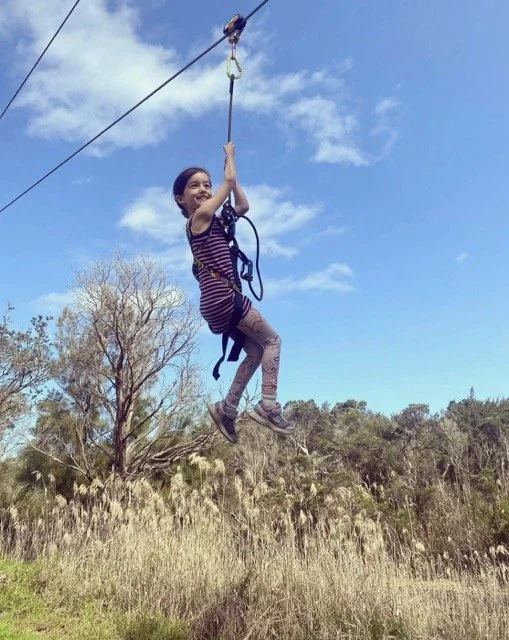
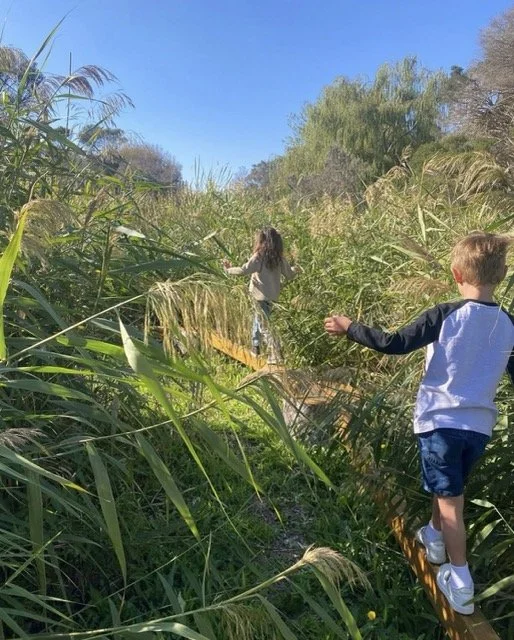
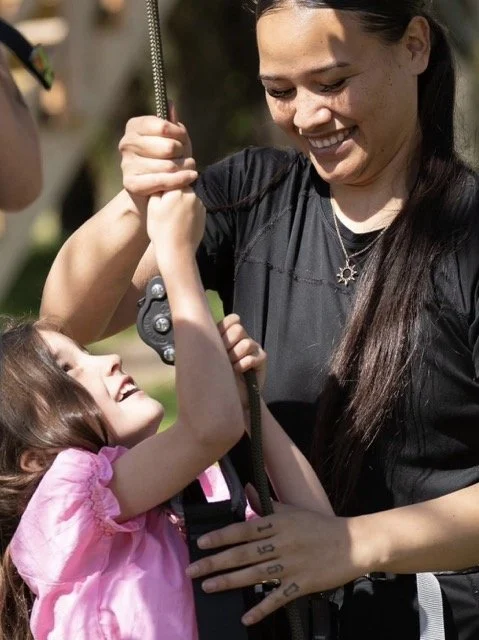
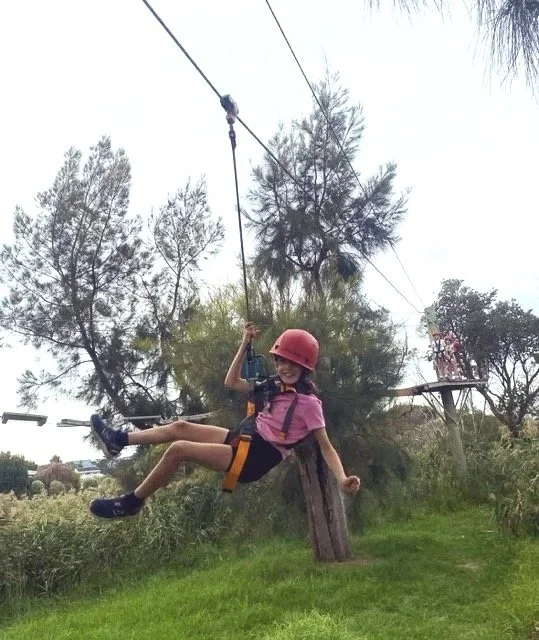
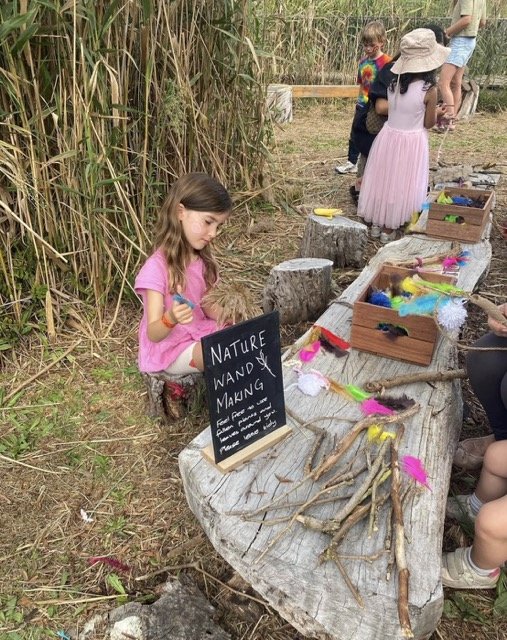
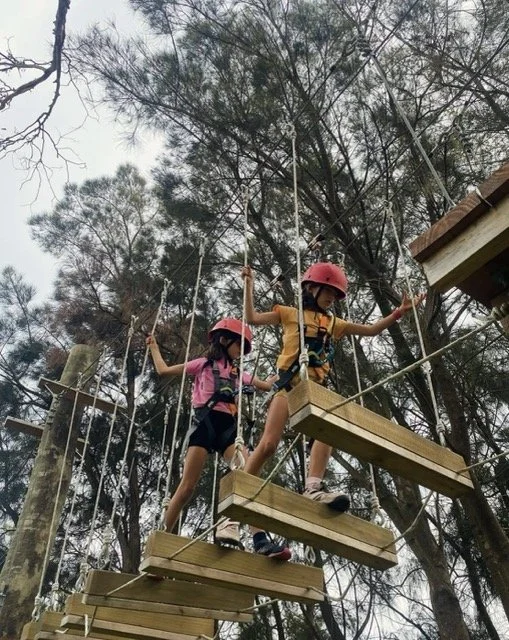
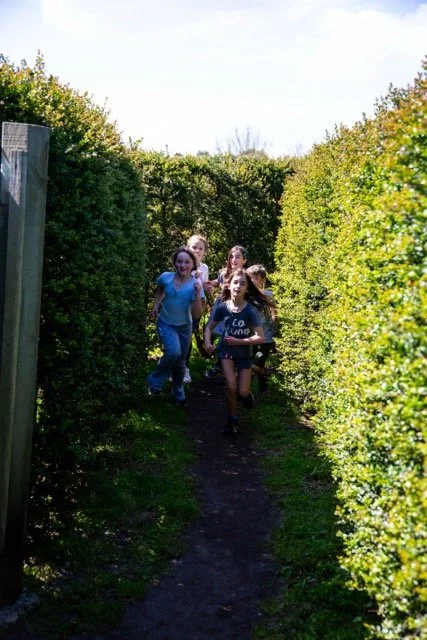
Screens are good at a lot of things. Teaching a kid to spot a heron, or work out which way a maze bends, isn't one of them. That's the other rewilding happening here, not of land, of people, one afternoon outside at a time.
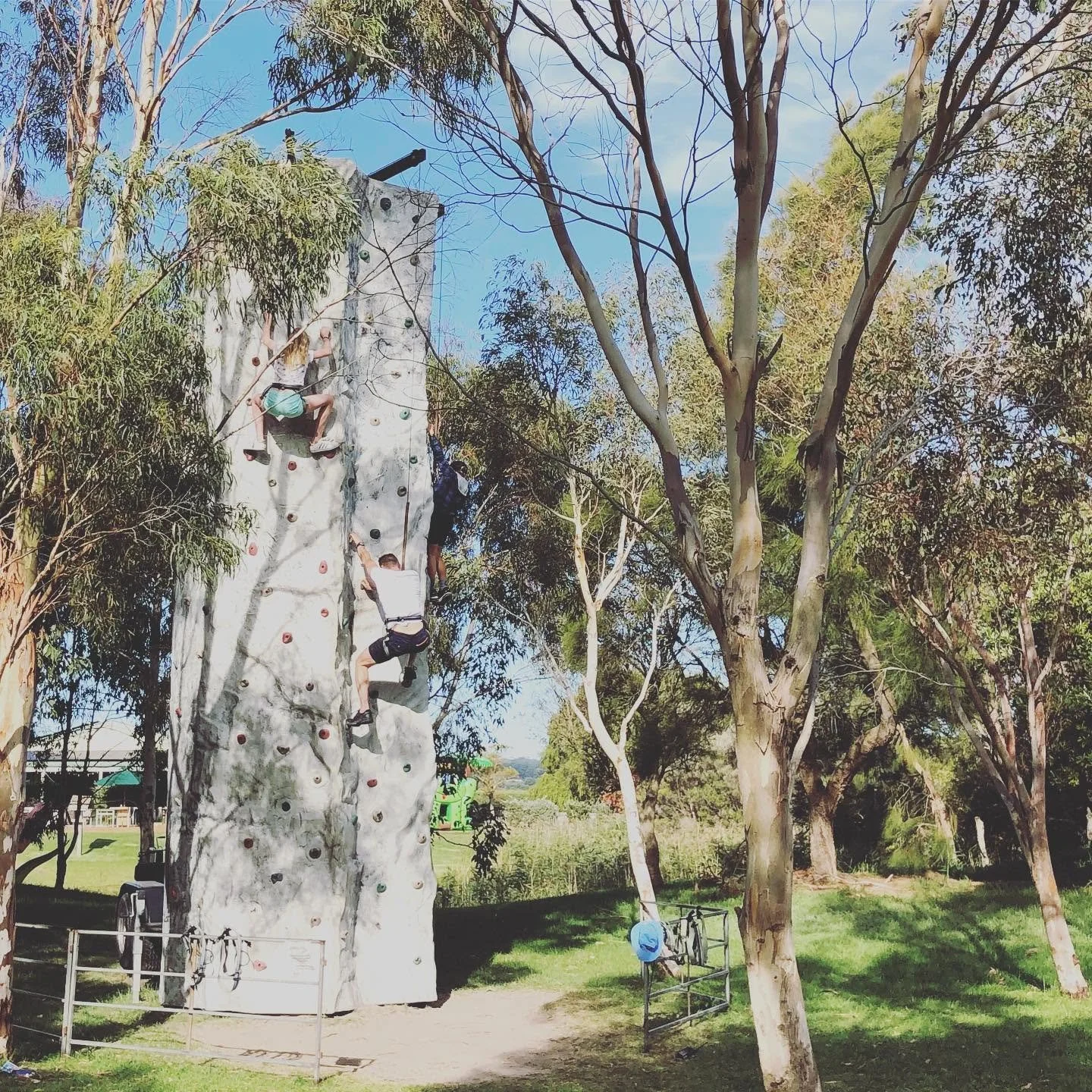
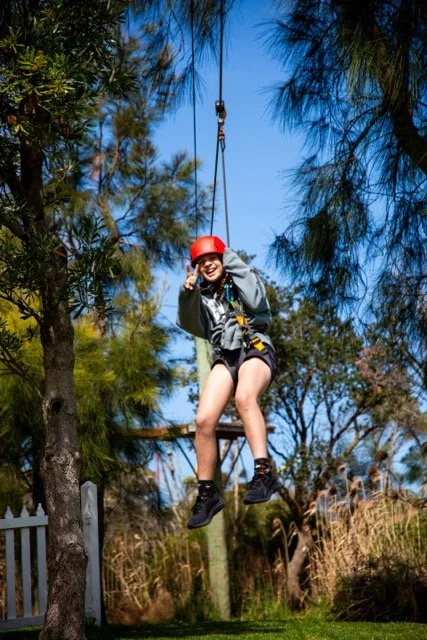
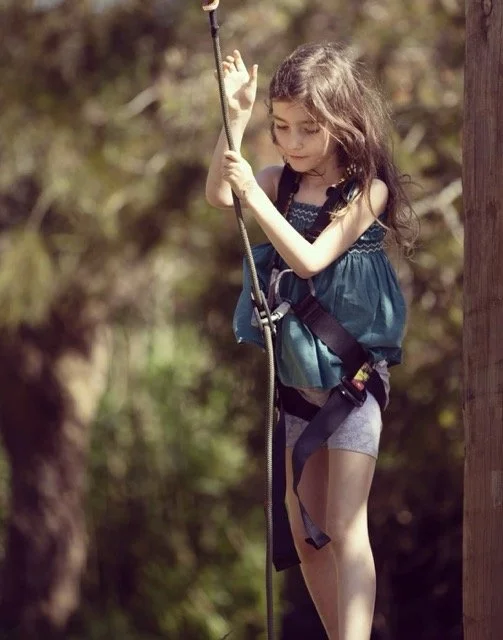
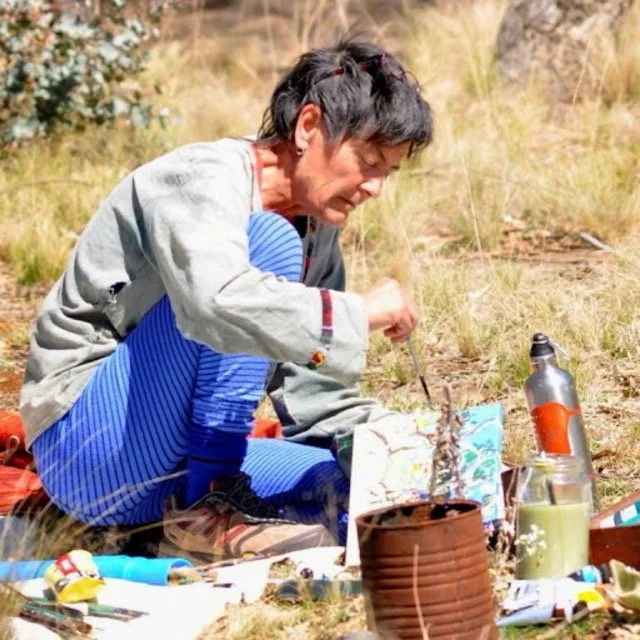
And it's not only the kids. Watch an adult who hasn't been off a pavement in months enjoying what nature gives us in abundance and games that bring back that inner child who loves to run, play and immerse themselves in the moment.
Come be part of the story while it's still being written.
We don't have this finished. We're not pretending to. But we'd rather you knew the real version than a polished one.